
What Makes This Trigger System Different From a Standard Trigger?
-
by
xtw183879d27
 xtw183879d27
Frt-15 Trigger Upgrade: Install Now for Faster Follow-Up Shots
A shooter at a competitive range pulls the trigger of their AR-15 platform rifle and observes the bolt cycle and fire again almost instantly with a single sustained pull. The frt-15 trigger is a drop-in replacement part that uses the firearm’s recoil energy to reset the hammer and sear automatically, allowing the trigger to fire again as soon as the bolt returns to battery. This mechanism produces an elevated rate of fire while still requiring the shooter to maintain rearward pressure on the trigger, offering a distinct firing rhythm compared to standard triggers. The frt-15 trigger’s primary benefit is its ability to deliver faster follow-up shots without modifying the rifle’s internal gas system or bolt carrier group.
What Makes This Trigger System Different From a Standard Trigger?
The FRT-15 trigger system differs fundamentally from a standard trigger because it eliminates the reset pause you normally feel. In a standard trigger, you must fully release the trigger to reset the sear, then pull again—a deliberate, two-step motion. The FRT-15 instead uses a patent-pending lever that forces the trigger forward automatically after each shot, without you lifting your finger. This creates a continuous, forced-reset cycle where the hammer falls as soon as the bolt closes and the trigger returns to the ready position. The practical difference is speed: your trigger finger never leaves the body, and the pull weight stays consistent, whereas a standard trigger’s discrete breaks and resets limit cyclic rate. For the user, this means what makes it different from a standard trigger is the mechanical forward assist, not a modification to the fire control group’s safety or drop-in dimensions—it installs as a direct replacement but behaves like a binary-adjacent system without requiring switching.
The Core Mechanics: How Forced Reset Technology Actually Works
The FRT-15 trigger’s forced reset mechanism uses a curved, spring-loaded *disconnector* that physically pushes the trigger forward during the bolt’s rearward travel. Unlike a standard trigger, where the sear re-engages only after the shooter releases the trigger, the FRT-15’s bolt carrier strikes a cam surface, **forcing the trigger shoe forward** to reset the sear automatically. This happens in three phases: (1) the bolt drives the hammer back, (2) a ramp on the carrier pushes the trigger’s cam, overriding the shooter’s finger pressure, and (3) the sear catches the hammer at the same instant the trigger reaches its forward stop—before the bolt returns to battery. The result is a semi-automatic cycle where each trigger pull is initiated by the shooter, but the reset is mechanically timed to the bolt’s velocity, eliminating any manual release step. There is no binary or full-auto linkage; the system only fires one round per trigger pull, relying on the forced-reset timing window to align sear catch and shooter input—a critical distinction from trigger-group conversions.
Key Differences in Pull Weight, Reset Distance, and Shot Cycle
The FRT-15 trigger really changes how you feel the pull, reset, and shot cycle compared to a standard trigger. Your initial pull weight is heavier, typically around 8–10 pounds, so it doesn’t feel like a match-grade single-stage. However, the **forced reset shot cycle** is where the magic happens: the trigger physically pushes your finger forward after each shot, slashing the reset distance to almost zero. This means you don’t manually release and re-pull; instead, the cycle is a continuous, rhythmic push-pull motion. The travel is short, aggressive, and fast, unlike a standard trigger’s long, passive reset. This creates a much quicker firing cadence, but it demands deliberate finger control to avoid double-taps.
- Pull weight is noticeably heavier (often frt-15l3 8–10 lbs) to ensure reliable forced reset, unlike a crisp 3–5 lb standard trigger.
- Reset distance shrinks to a few millimeters, since the trigger pushes your finger forward automatically.
- The shot cycle is continuous and bump-fire-like, rather than the separate “pull-release-pull” of a standard trigger.
- You’ll feel a distinct forward “kick” in the trigger rare breed mp5 frt shoe after each round—this is the forced reset, absent in standard AR triggers.
Why Trigger Control Feels Unique During Rapid Fire

During rapid fire, the FRT-15’s reset and sear release occur almost simultaneously, demanding a consistent, non-flinching grip because the trigger finger must maintain constant rearward pressure while the bolt cycles. Unlike a standard trigger, where you consciously stage and break a wall, the unique feel here is a rhythmic, vibrating pulse that travels through the trigger shoe. You are not pulling against a distinct weight; instead, you are managing a continuous push-pull motion where the trigger’s return speed outpaces your finger’s natural recovery. This forces a deliberate, controlled tension in the hand to avoid short-stroking the reset, creating a sensation of riding a mechanical wave rather than firing discrete shots. The rapid fire trigger control feedback is direct and immediate, with no tactile warning before ignition.
- Maintain a fixed wrist angle to prevent the trigger from bouncing against the finger.
- Use a flat, even pressure across the pad—not the joint—to match the fast reset cycle.
- Expect a subtle forward push on the finger during bolt return, which requires active counter-pressure.
- Minimize finger travel distance; only a few millimeters separate reset from break.
How to Install and Set Up This Trigger in Your AR Platform
To install the FRT-15 trigger, first ensure your AR-15 lower receiver is completely clear of any other fire control group parts. Drop the hammer, disengage the safety, and push out the two trigger pins using a punch. Set the FRT-15 unit into the pocket, aligning its holes with the receiver’s, then press in the included anti-walk pins and secure them with the set screws. Reinstall the grip to hold the selector in place—this trigger uses its own proprietary safety, so keep the original one out. For setup, cycle the charging handle a few times to confirm the hammer resets freely. Q: Do I need to modify my lower receiver for the FRT-15? A: No, it’s a drop-in fit for standard AR-15 lowers, but you must remove the original trigger and safety first. Finally, test function on an empty chamber by pulling the trigger and holding it—the hammer should follow and reset automatically as you release.
Tools Required and Step-by-Step Fitting Process
To fit an FRT-15 trigger, you only need a **standard AR-15 armorers wrench**, a roll pin punch set (1/16-inch), a hammer, and likely a bench block to protect the receiver. Begin by ensuring the lower receiver is clear of all ammunition and separated from the upper. Drive out the existing trigger and hammer pins with the punch, then remove the factory trigger group. Place the FRT-15 into the receiver, aligning its holes with the hammer and trigger pin lugs. Insert the supplied pins from the left side, tapping them flush. Finally, install the included anti-walk pins if your model uses them, then function-check the trigger by cycling the charging handle with the upper attached—confirm the sear resets only after the bolt travels fully rearward.
Summary: Gather a punch, hammer, and wrench; drop in the FRT-15, align pin holes, tap pins, and verify reset via a manual bolt cycle.
Common Installation Mistakes That Cause Malfunctions
Most malfunctions with the FRT-15 trigger trace back to improper installation rather than defective parts. The most common error is failing to fully seat the trigger before pinning, leaving slight vertical play that disrupts hammer engagement. Another frequent issue is over-torquing the hammer pin, which binds the internal components and causes the trigger to stick mid-cycle. Additionally, using a lower receiver with incorrect pocket dimensions—even by millimeters—can create friction against the trigger housing, leading to light primer strikes or reset failures. Finally, mixing in non-specified springs or disconnectors alters the timing, producing double fires or slam-fires. Correct FRT-15 installation requires precise pin alignment and factory-spec components.
- Improper trigger seating before pinning
- Over-torqued hammer or trigger pins
- Receiver pocket dimensional mismatches
- Substituting non-standard springs or disconnectors
Adjusting the Selector and Spring Tension for Reliable Function
After installing the FRT-15 trigger, begin by testing the selector’s detent engagement. If the lever feels gritty or fails to index crisply, remove the grip and inspect the detent spring—a shortened or kinked spring reduces tension, causing the selector to drift. Adjust spring tension by stretching it slightly (no more than 10%) or replacing it with a heavier variant. For the trigger’s internal spring, verify that the hammer reset force is consistent; weak tension leads to light primer strikes or failure to reset under rapid fire. Turn the tension screw clockwise in quarter-turn increments, then cycle the action manually. The bolt carrier must fully compress the hammer without binding. If the trigger doubles or sticks, back off the screw until the hammer follows the bolt cleanly. Always test with the upper receiver attached, as receiver fit alters spring compression. Adjusting the selector and spring tension for reliable function requires iterative tuning—never exceed the manufacturer’s torque spec, as over-tensioning accelerates wear on the sear surfaces.
Correct selector detent tension and trigger spring adjustment ensure crisp engagement, consistent reset, and reliable cycling without unintended doubles.
Performance Benefits You Will Notice at the Range
At the range, the frt-15 trigger delivers a dramatic shift in practical firing speed, letting you maintain a consistent, high-volume cadence without the training burden of bump-fire techniques. You’ll notice your split times collapse as the trigger’s forced-reset mechanism drives the bolt forward and re-engages your finger during the recoil cycle, keeping the muzzle on target for faster follow-ups. This allows for tight double-taps and rapid strings on steel, where your only limit becomes magazine changes and sight recovery—not trigger reset lag. scar frt trigger The tactile, predictable reset also improves your trigger control under stress, since you’re not slapping the trigger but riding a continuous, rhythmic cycle.
Expect a notable reduction in trigger finger fatigue during extended drills, because the FRT-15’s design leverages recoil energy rather than relying on your muscle strength for each shot.
Ultimately, you’ll find your drills focus more on target transitions and less on cadence maintenance.

Faster Follow-Up Shots Without Losing Your Grip
With an FRT-15 trigger, faster follow-up shots become almost automatic because the reset is so short and crisp that your finger never leaves the trigger shoe. This keeps your support hand and firing grip completely locked, eliminating the “re-grip” flinch that slows traditional triggers down. To really see the benefit, try this: fire one round, keep your sight picture, and just release pressure until you feel the click—then press again. You’ll notice your forearms stay tense and your wrists don’t shift, because the trigger does the rare breed trigger speed work, not your body. Keep your thumb high and palm pressure steady, and the rapid-fire grip stability will shine. Follow this sequence: 1) Fire, 2) hold grip tight, 3) reset with a micro-movement, 4) press again—no wasted motion.
Improved Accuracy During Sustained Fire Sessions
During sustained fire sessions, the FRT-15’s forced-reset mechanism minimizes trigger-slap and finger fatigue, which directly preserves your point of aim across multiple strings. Because the reset occurs immediately after hammer release, you maintain a consistent grip pressure without the need to consciously index the trigger’s travel, reducing flinch-induced shot deviation. This mechanical consistency translates to tighter shot groups on rapid follow-ups, as the predictable reset point keeps your support-hand tension and shoulder weld stable. m249s binary trigger Over a 60-round drill, the absence of trigger stacking prevents the subtle barrel dip common with conventional triggers, ensuring each round’s release aligns with your original sight picture. The result is sustained-fire precision without shooter compensation, allowing you to focus solely on sight alignment rather than trigger management.

How the Shoe Geometry Affects Your Finger Placement and Fatigue
The shoe’s curvature dictates where your digit naturally rests—a flatter face pushes the pad forward, while a contoured profile cradles the fingertip’s sweet spot, reducing micro-adjustments. With the FRT-15’s rapid reset, even a millimeter of drift forces constant correction, which compounds into hand strain. A wider, scalloped shoe spreads contact pressure across more nerve endings, lowering localized fatigue during sustained firing. Conversely, a sharp, angled edge concentrates force into the joint, accelerating soreness. Shoe geometry directly controls trigger control stability, so matching the arc to your finger’s natural bend prevents over-gripping and ensures consistent reset engagement without wasted energy.
Proper shoe shape aligns your fingertip’s natural curve, minimizing movement and distributing pressure—so fatigue drops while reset speed stays sharp.
Which Rifle Builds Work Best With This Forced Reset Design
The best rifle builds for a forced reset trigger prioritize a lightweight bolt carrier group (BCG) and a short-stroke gas system. With an frt-15 trigger, a carbine-length gas tube on a 14.5–16-inch barrel runs most reliably, as it provides enough backpressure to cycle the reset without overspeeding the bolt. Avoid heavy buffers (H2 or H3) and stiff springs—they rob the trigger’s reset timing, causing double feeds. Pair it with an adjustable gas block tuned to just barely lock back on an empty mag; this minimizes bolt bounce. For upper receivers, stick with a standard mil-spec BCG (not a low-mass one, which can outrun the sear). A mid-length gas system on a 16-inch barrel also works beautifully if you run a tuned buffer—use a carbine-weight buffer and a standard spring. Skip pistol-length builds under 10 inches; they generate excessive port pressure that makes the frt-15 trigger feel erratic.
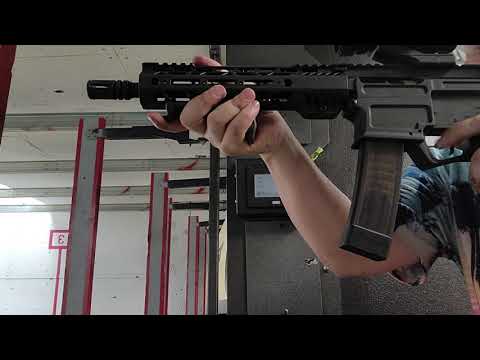
Optimal Buffer Weight and Gas System Combinations
For a forced reset trigger to shine, matching buffer weight and gas system tuning is the real secret. Overly light buffers cause bolt bounce, halting the reset cycle mid-stroke. Start with a standard carbine buffer (3 oz) on a mid-length gas system, then add weight only if you see short-stroking or erratic resets. A heavy H2 or H3 buffer slows carrier velocity just enough to ensure the trigger sear re-engages cleanly, especially with suppressed or over-gassed builds. Conversely, adjustable gas blocks let you dial down port pressure, preventing bolt slam and premature unlocking. The goal is a consistent, cyclic rhythm—not raw speed—where the carrier’s return stroke aligns perfectly with the trigger’s reset window.
- Test H2 buffers first on 16-inch carbine gas; switch to H3 for heavy suppressors.
- Use an adjustable gas block to reduce carrier speed when cycling feels violent.
- Verify bolt catch engagement—a too-light buffer will fail to lock back reliably.
- For pistol-length gas, start with an H1 and add a heavier spring, never the reverse.
Compatibility With Different Bolt Carriers and Upper Receivers

The FRT-15’s compatibility with different bolt carriers and upper receivers is all about mass and travel. Generally, a standard-weight carrier (around 15.9 oz) in a mil-spec upper works flawlessly, as the trigger’s sear reset depends on that carrier’s forward inertia. Heavier carriers, like those used in competition or with tungsten buffers, may cause short-strokes because they rob the bolt of the sharp, fast return needed to trip the reset. For uppers, stick to those with a standard AR-15 profile; anything with a modified cam pin path or a proprietary bolt (like some piston systems) will interfere with the trigger’s trip lever. The surest recipe for trouble is pairing the FRT-15 with an over-gassed, lightweight carrier in a tight, non-mil-spec upper—it creates timing chaos. For a smooth setup, follow this order: check your carrier weight, verify the cam pin clearance, then test the upper’s buffer tube alignment. Standard mil-spec carriers in standard upper receivers are your best bet for consistent forced-reset function. If you run a side-charging upper, ensure the carrier’s rear lip doesn’t hit the charging handle latch—that causes misfeeds.

What Ammunition Types Deliver the Smoothest Cycle
For an FRT-15 trigger, ammunition types delivering the smoothest cycle center on consistent pressure curves and reliable ignition. Standard-pressure 55-grain M193 or 62-grain M855 loads from reputable manufacturers produce the cleanest reset because their gas port timing aligns with the forced-reset cam’s dwell. Avoid subsonic or lightly loaded rounds—they short-stroke the carrier, causing hammer follow. Heavier 77-grain OTM loads work well if the buffer is tuned, but their higher recoil impulse can interrupt the sear trip. Brass-cased ammo with uniform primer pockets ensures the trigger’s trip lever engages without drag. Steel-case ammo often has harder primers, leading to light strikes and erratic cycling.
- M193 55-grain FMJ offers the most predictable gas volume for rapid reset.
- M855 62-grain maintains sufficient back-pressure for suppressed builds.
- Brass-cased, boxer-primed loads forced reset trigger super safety prevent primer pocket deformation over repeated forced-reset slams.
- Factory-loaded 77-grain SMK balances velocity and dwell for short-barrel uppers.
Answers to Common Questions and Troubleshooting Tips
When the FRT-15 trigger suddenly stops resetting after a few hundred rounds, the first question most shooters ask is whether the springs have worn out—but the real culprit is often carbon buildup in the hammer pocket. I’ve seen guys strip the whole lower, only to realize a simple field-strip and compressed-air blast along the sear surfaces fixed it instantly. Q: Why does my trigger double-fire on reset? A: Check the disconnector’s spring tension and make sure your trigger finger isn’t riding the shoe—limp-wristing can also cause a short reset that feels like a double. For a trigger that feels “mushy,” remove the trigger group and inspect the hammer’s engagement surface for burrs; a fine stone pass restores the crisp break. If the trigger binds mid-cycle, verify the safety selector isn’t catching the trigger’s rear tab—a misaligned detent spring is a common troublemaker. Always lube the sear contact points with a thin grease, not oil, to prevent sticky resets in rapid fire.
Why Your Trigger Feels Misfires or Double Pulls and How to Fix It
A gritty or hesitant trigger pull in an FRT-15 usually stems from carbon fouling building up on the hammer sear and trip lever interface, which disrupts the reset cycle. This friction can cause the trigger to “misfire” as the hammer slips prematurely, or produce a “double pull” when the disconnector fails to re-engage cleanly. First, ensure your hammer spring is correctly seated and not weakened; a weak spring allows the bolt to outrun the trigger reset. Deep-clean the sear surfaces with a solvent-soaked brush, then apply a thin, high-temp grease—avoid heavy oil that attracts carbon. If the issue persists, check buffer weight; too light a buffer causes bolt bounce, tricking the sear into a second activation. Adjust buffer weight incrementally, as an over-heavy buffer can cause short-stroking that mimics a misfire. Finally, verify the trigger pocket is free of debris, as a slightly lifted trigger shoe creates inconsistent sear contact.
Fix FRT-15 misfires and double pulls by cleaning sear carbon, using proper grease, and tuning buffer weight to stabilize bolt speed and reset timing.
Maintenance Routine to Keep the Reset Crisp Over Thousands of Rounds
To keep your FRT-15’s reset razor-sharp through thousands of rounds, strip the trigger pack every 800–1,000 rounds and flush the sear surfaces with a solvent-soaked nylon brush, never a wire brush, which wears the hardened steel. Blow out carbon from the trip lever’s pivot with compressed air, then apply a single drop of thin oil—like CLP—to the disconnector’s cam ramps, not the sear nose, which should stay dry to prevent grit adhesion. Lubricate the trigger’s rear leaf spring channel with a dab of lithium grease every 2,000 rounds. Finally, test the reset with the upper off: pull, hold, release—the hammer must snap forward with zero drag. If it feels mushy, re-swab the pivot pins and re-oil, then dry-fire five times to redistribute the film.
Comparing the FRT System to Bump Stocks and Binary Triggers for Practical Use
When comparing the FRT system to bump stocks and binary triggers for practical use, the FRT-15’s reset mechanism delivers one round per trigger pull with a recoil-assisted reset, whereas a bump stock relies on inertial movement to fire multiple rounds without a conventional reset, and a binary trigger fires once on pull and once on release. For shooters, this means the FRT system offers a more deliberate, controlled cadence than the unpredictable rhythm of bump stocks, yet it demands a firm grip and consistent shoulder pressure to function reliably. Unlike binary triggers, which require you to track the release stroke actively, the FRT-15 lets you focus solely on trigger discipline, though its reset feel is stiffer than a standard trigger. In practical drills, the FRT provides faster follow-up shots than a binary trigger’s split-phase action but lacks the raw, uncontrolled cyclic rate of a bump stock, making it a middle-ground option for range work where manual reset control and predictable recoil management matter most.